What Is Category 3 Water?
The water restoration industry sorts water damage into three categories by how contaminated the water is, a system set out in the IICRC S500 standard. Sewage is Category 3, the most contaminated, and that drives every decision in the cleanup.
The three categories
| Category | Common name | Examples |
|---|---|---|
| 1 | Clean water | Broken supply line, overflowing sink with clean water |
| 2 | Gray water | Washing machine or dishwasher discharge, toilet overflow with urine but no feces |
| 3 | Black water | Sewage, toilet water with feces, septic backup, outdoor floodwater |
Water can change category
Clean water doesn’t stay clean. As it sits, soaks into materials and warms up, bacteria grow, and Category 1 can become Category 2 or 3 within days. That’s why a leak left over a weekend is handled more cautiously than one caught in minutes. More on overflows in toilet overflow cleanup.
What Category 3 means in practice
- Porous materials are removed. Carpet, pad, drywall and insulation that Category 3 water soaked are discarded, because disinfectant can’t reach inside them.
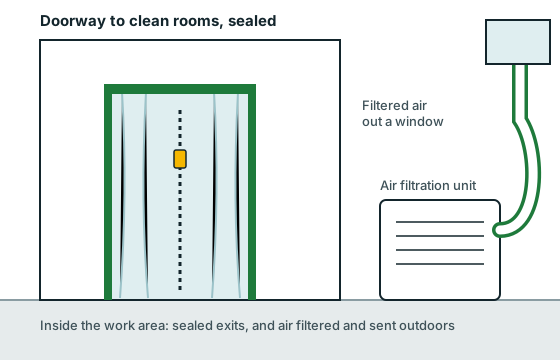
- Work areas are contained so contamination doesn’t spread.
- Workers wear protective equipment, including respirators, gloves and suits.
- Surfaces are disinfected and verified dry before rebuilding; see restoration.
Why it matters for your health
Sewage can carry bacteria such as E. coli, viruses such as hepatitis A, and parasites. Anyone who has had contact with sewage and feels unwell should talk to a doctor and mention the exposure.
Dealing with it now? See sewage cleanup in Rockwall.
If you’re dealing with sewage now rather than planning ahead, call (972) 630-3491.