Sewage Backup Cleanup and Repair in Rockwall, TX
When the sewer line from your house can’t carry wastewater away, it comes back up the lowest drain in the building, often a shower, tub or laundry floor drain. Rockwall Sewage Solutions removes the sewage, takes out what it has soaked, disinfects and dries the area.
Please stay on the line while your call connects.
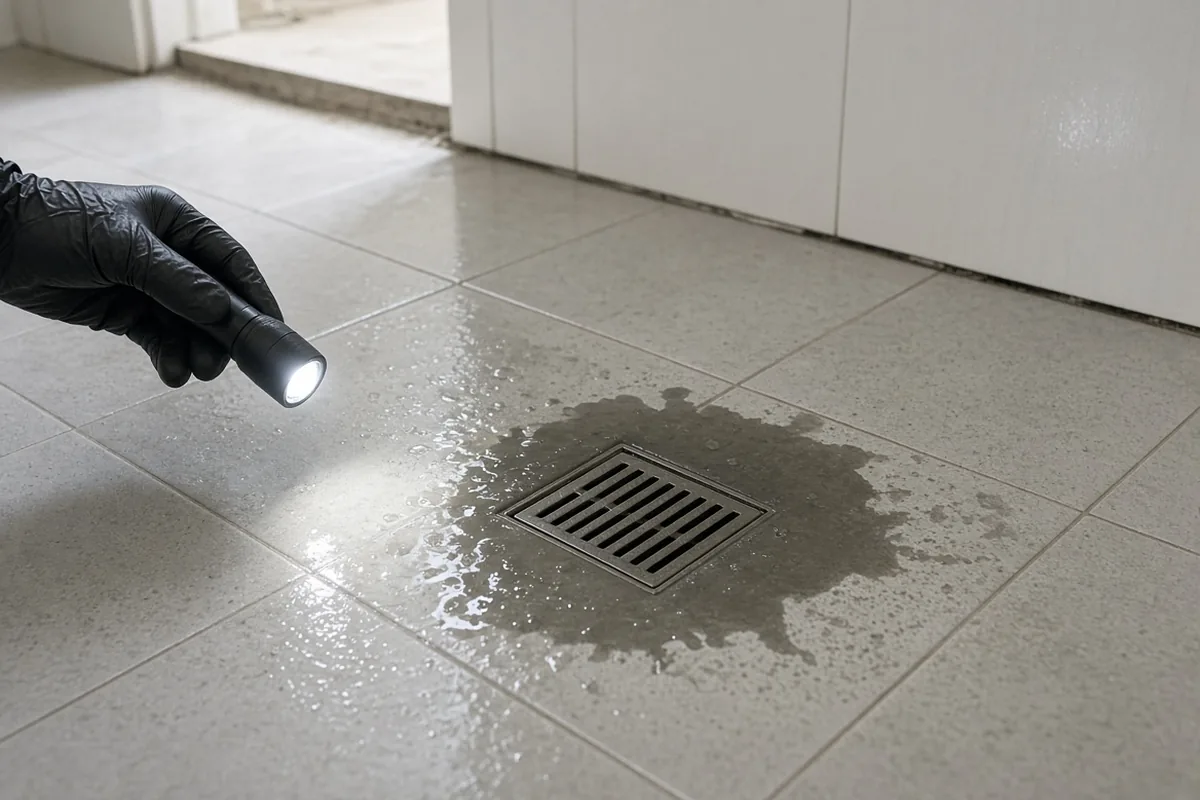
Signs the main line has backed up
- Sewage in a tub or shower when a toilet is flushed or the washer drains
- Several fixtures draining slowly or gurgling at once
- Water around a floor drain or the base of a toilet on the ground floor
- Water or odor at the outdoor cleanout
One slow sink is usually a local clog. Several fixtures misbehaving together points to the main line. More in sewage coming up through the shower drain.
Why sewage shows up at the lowest drain first
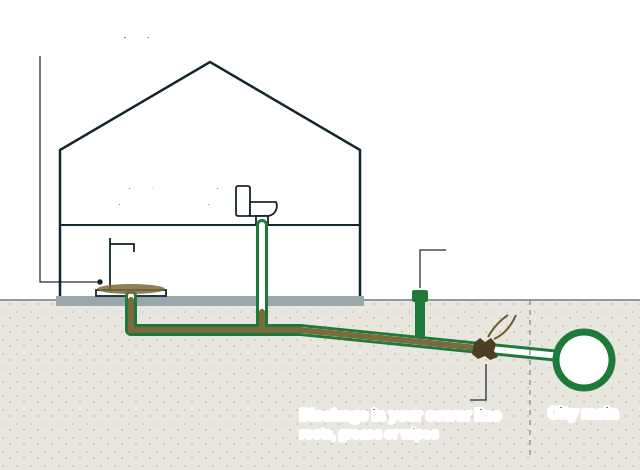
All the drains in a house feed one sewer line. When that line is blocked, wastewater fills it until it finds the lowest opening, so the ground-floor shower or tub fills before anything else. Every time someone upstairs flushes or runs water, more comes up. That’s why the most important first step is to stop using water.
Common causes
Roots and aging pipe
Tree roots find joints and cracks in older sewer lines. Pipes can also sag, crack or separate over time, especially in older homes. More in tree roots in your sewer line.
Grease and wipes
Cooking grease hardens inside pipes, and “flushable” wipes don’t break down the way toilet paper does. Together they build blockages.
A blockage in the city main
Less commonly, the blockage is in the public main. The general rule is that the homeowner is responsible for the private line and the city for the main; this guide explains how to tell the difference.
What the cleanup involves
- Confirm the source. Make sure water use is stopped and find where the sewage is coming in.
- Contain. Seal off the affected rooms and protect clean areas.
- Extract. Remove sewage, solids and contaminated debris.
- Remove soaked materials. Take out carpet, pad, baseboards and drywall above the waterline.
- Clean and disinfect. Treat remaining surfaces with an EPA-registered disinfectant.
- Dry and check. Dry the structure and check moisture before any repairs.
Repairs are covered on the restoration page.
Working with your plumber and insurer
The blockage has to be cleared by a licensed plumber, ideally before or alongside cleanup so the backup doesn’t happen again mid-job. If you plan to file a claim, photograph everything before it’s moved and call your insurer early. Many policies only cover sewer backup with an added endorsement; see sewer backup and insurance in Texas.
Sewage backup repair: the line and the house
“Repairing” a sewage backup means fixing two things. The first is the sewer line, so it carries wastewater away again. The second is the house, so it’s clean, dry and rebuilt.
Repairing the sewer line
A plumber clears the blockage, usually through the outdoor cleanout, and a camera inspection shows whether roots, a crack, a separated joint or a sag caused it. In Rockwall’s expansive clay soil, lines shift as the ground swells and shrinks, so a repeat backup often means a damaged section that needs a licensed plumber to repair or reline it rather than another cleaning.
Repairing the home
Once the cleanup is done and moisture readings confirm the structure is dry, drywall, baseboards, flooring and cabinets are replaced. See sewage damage restoration.
Call (972) 630-3491 to arrange the cleanup.
Before help arrives
- Stop all water use in the building.
- Keep people and pets out of the affected rooms.
- Turn off HVAC serving the area.
- Move dry belongings out of the path of the water if you can do it without touching sewage.
More detail is in what to do when sewage backs up.
Backups in Rockwall and nearby cities
If you suspect the public main rather than your own line, report it to the city that runs your sewer. In the City of Rockwall, that’s Rockwall Water and Wastewater; the city asks that emergencies and after-hours problems be phoned in rather than submitted online. Heath and McLendon-Chisholm residents should contact their own city.
Sewage backup cleanup is available across ZIP codes 75087 and 75032: Rockwall, Heath, the parts of Fate inside these ZIP codes, and McLendon-Chisholm.
Sewage backup questions
Can I keep using the toilet upstairs?
No. Every drain in the house feeds the same blocked line, so upstairs water ends up in the downstairs backup.
Will the smell go away after cleanup?
Once contaminated materials are removed and surfaces are disinfected and dried, the odor source is gone. A lingering smell usually means something was missed; see sewage odor removal.
Does a backwater valve prevent this?
A backwater valve can stop sewage from a blocked public main from flowing into the house. It doesn’t help when the blockage is in your own line. Ask a plumber whether one suits your home.
Sewage in your home or business?
Keep people and pets away from the affected area and avoid touching anything wet. Call Rockwall Sewage Solutions at (972) 630-3491 to talk through next steps.
Please stay on the line while your call connects.